

In today’s rapidly changing digital landscape, businesses must do more than simply exist online; they must stand out. Whether you’re a growing brand or an established company, understanding the fundamentals of digital marketing is the foundation for long-term success.
While new platforms, algorithms, and tools emerge every year, the principles behind digital marketing remain constant. These fundamentals help businesses build awareness, attract leads, and convert audiences effectively. In this article, we’ll explore seven actionable fundamentals of digital marketing that can transform your online strategy in 2025 and beyond.
Understanding the Core Fundamentals of Digital Marketing
Before diving into the seven fundamentals, it’s essential to understand what digital marketing really means. Digital marketing is the process of promoting products or services using online channels such as search engines, social media, websites, email, and mobile apps.
The fundamentals of digital marketing focus on leveraging these platforms strategically to reach the right audience at the right time. Mastering them helps businesses establish a consistent online presence, strengthen customer relationships, and stay competitive in a crowded digital space. Once you have a firm grasp of these basics, you can easily adapt to new technologies and trends.
Fundamental 1 – Building a Strong Brand Identity Online
Your brand is your business’s personality; it defines how customers perceive you. One of the key fundamentals of digital marketing is building a strong and recognizable brand identity across all online channels.
This includes creating a consistent visual style (logo, color scheme, typography), tone of voice, and messaging that reflect your company’s values. A clear brand identity helps build trust and familiarity, making your audience more likely to engage with your content. Whether it’s a social media post, a paid ad, or a website landing page, maintaining consistency ensures that your brand remains memorable and professional.
Fundamental 2 – Creating an Effective SEO Strategy
Search Engine Optimization (SEO) is one of the most crucial fundamentals of digital marketing because it determines how easily potential customers find you online. SEO involves optimizing your website’s content and structure to rank higher on search engines like Google.
An effective SEO strategy begins with keyword research, identifying the phrases your target audience uses when searching for your products or services. Once identified, these keywords should be naturally integrated into your content, titles, and meta descriptions.
Additionally, on-page optimization (site speed, mobile responsiveness, and proper tagging) and off-page tactics (link building and guest posting) both play major roles in ranking success. When done correctly, SEO not only boosts visibility but also drives organic, long-term traffic that converts.
Fundamental 3 – Leveraging Content Marketing for Engagement
The saying “content is king” remains true, even in 2025. Content marketing is one of the most powerful fundamentals of digital marketing, helping brands attract, inform, and retain their target audience.
High-quality content builds credibility and positions your business as an authority in your industry. It can take many forms, such as blog articles, videos, infographics, podcasts, and eBooks. The goal is to create valuable content that solves problems, answers questions, and inspires your audience to take action.
When integrated with SEO and social media, great content improves visibility, drives traffic, and strengthens customer trust. Remember: consistency, originality, and relevance are the pillars of successful content marketing.
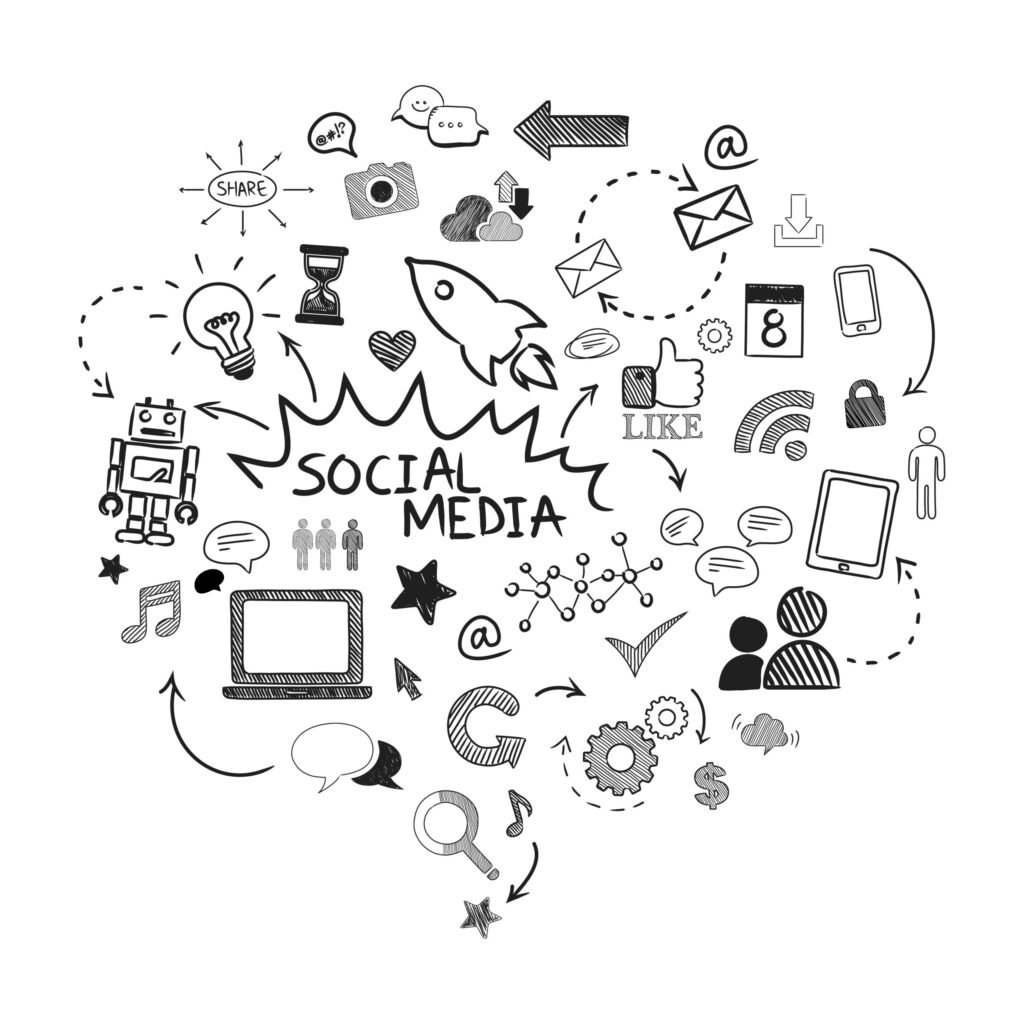
Fundamental 4 – Utilizing Social Media Marketing Effectively
Social media has become an indispensable channel for businesses to connect with audiences in real time. Among the fundamentals of digital marketing, social media marketing plays a vital role in building community and brand loyalty.
Platforms like Facebook, Instagram, LinkedIn, and TikTok allow brands to interact directly with users, gather insights, and promote products in a more personal way. The key to success lies in knowing your audience and tailoring your content accordingly.
Data analytics tools can help track engagement and identify what type of content resonates most. By maintaining an active and authentic social media presence, businesses can increase brand awareness and strengthen relationships with customers.
Fundamental 5 – Mastering Paid Advertising (PPC & SEM)
While organic marketing is essential, paid advertising offers immediate visibility. This makes Pay-Per-Click (PPC) and Search Engine Marketing (SEM) crucial fundamentals of digital marketing.
Through PPC and SEM, businesses can display ads on platforms like Google, YouTube, or social media networks, targeting specific audiences based on demographics, interests, and behaviors. Effective paid campaigns rely on careful keyword selection, compelling ad copy, and continuous optimization.
What makes paid ads powerful is measurability; you can track impressions, clicks, conversions, and ROI in real time. By combining organic SEO efforts with paid campaigns, brands can enjoy both quick wins and sustainable growth.
Fundamental 6 – Email Marketing and Automation
Despite being one of the oldest digital channels, email marketing remains one of the most reliable fundamentals of digital marketing. It provides a direct way to communicate with your audience, nurture leads, and drive conversions.
Modern email marketing goes beyond generic newsletters. With automation tools, businesses can send personalized, behavior-triggered messages to subscribers. This means customers receive relevant emails at the right time, whether it’s a welcome message, a product update, or a re-engagement campaign.
Segmentation, personalization, and A/B testing are key to success. By delivering value and relevance, email marketing can significantly improve customer retention and long-term loyalty.
Fundamental 7 – Measuring and Analyzing Performance
You can’t improve what you don’t measure. Data analytics is one of the most critical fundamentals of digital marketing, as it allows businesses to track performance and refine strategies for better results.
Using tools like Google Analytics, Search Console, and social media insights, marketers can evaluate metrics such as traffic, engagement, conversion rate, and return on investment (ROI). These insights help identify which campaigns are performing well and which need adjustments.
Regular analysis ensures that every marketing decision is backed by data rather than guesswork. Over time, this leads to smarter budget allocation, more effective campaigns, and stronger brand performance.
Applying These Fundamentals for Real Business Growth
Understanding the fundamentals of digital marketing is just the beginning; applying them strategically is where real growth happens. Each of these seven fundamentals works best when integrated into a cohesive, data-driven marketing plan.
Start by identifying your brand’s strengths, audience preferences, and goals. Then, use the fundamentals as a roadmap to build your brand identity, optimize for search, create valuable content, engage on social platforms, invest wisely in ads, nurture through email, and continuously analyze performance.
Consistency and adaptability are key. The digital world changes fast, but businesses that stay grounded in these fundamentals can confidently evolve and lead the market.
Conclusion
Mastering the fundamentals of digital marketing is no longer optional; it’s the foundation for every successful brand. By implementing these seven actionable principles, businesses can enhance their visibility, build stronger customer relationships, and achieve measurable growth.
Digital marketing thrives on a balance of creativity, strategy, and analytics working together. The better you understand these fundamentals, the more prepared you are to stand out in a competitive online world.
For more information, visit 361 Degree Marketing.