

Digital marketing has quietly reshaped how businesses attract, educate, and convert customers. From the first moment of brand discovery to the final decision, online channels now influence almost every step of the customer journey. Yet, despite its popularity, digital marketing is not a guaranteed success formula.
Understanding the advantages and disadvantages of digital marketing is essential for businesses that want long-term growth in 2026 rather than short-term visibility. Whether the goal is promoting professional services, spreading awareness for nasha mukti initiatives, or offering sensitive healthcare support like dementia care, digital marketing must be applied thoughtfully.
This article presents a clear, balanced view of the advantages and disadvantages of digital marketing, free of hype, shortcuts, or unrealistic promises.
Why the Advantages and Disadvantages of Digital Marketing Matter More Than Ever
Digital marketing uses online platforms such as search engines, websites, content channels, and social media to connect with audiences. What makes it powerful is its accessibility and scalability, but what makes it risky is its heavy reliance on technology and trust.
The real story behind the advantages and disadvantages of digital marketing lies in how effectively businesses balance reach, data, and human connection. Understanding both sides allows organizations to create strategies aligned with real goals, budgets, and audience needs.
1. Global Reach vs. Market Saturation
Advantage: Why Global Reach Changes the Game in Digital Marketing
One of the most impactful advantages of digital marketing is its ability to break geographical boundaries. Businesses can reach audiences across cities, states, or even countries without being physically present.
This global accessibility is especially valuable for education-driven initiatives, awareness programs, and service-based sectors. Digital platforms allow messages to travel far beyond traditional limitations, accelerating growth and visibility.
Disadvantage: How Market Saturation Tests Digital Marketing Strategies
However, this same global reach creates intense competition. With countless businesses competing for attention, visibility alone is no longer enough.
Success now depends on consistency, originality, and strategic execution, making differentiation a demanding but necessary effort.
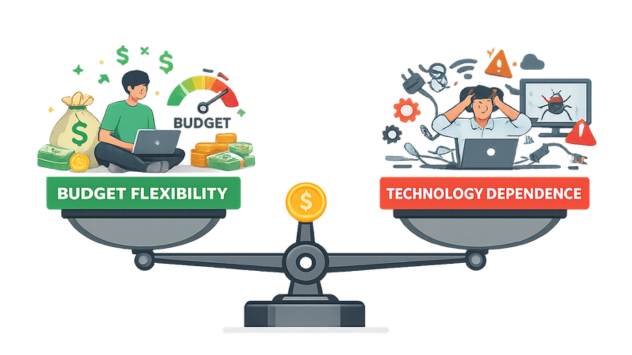
2. Budget Flexibility vs. Technology Dependence
Advantage: How Budget Flexibility Becomes a Competitive Advantage
Cost efficiency stands out strongly in the advantages and disadvantages of digital marketing. Unlike traditional advertising, digital campaigns can start small and scale based on performance.
This flexibility allows businesses to test, optimize, and refine strategies without heavy upfront investments, making digital marketing accessible even to smaller organizations seeking measurable results.
Disadvantage: How Technology Dependence Creates Uncertainty
At the same time, dependence on digital platforms introduces risk. Algorithm updates, technical issues, or platform policy changes can affect visibility overnight.
Businesses must stay adaptable and proactive to reduce uncertainty caused by reliance on constantly evolving technologies.
3. Targeted Communication vs. Credibility Challenges
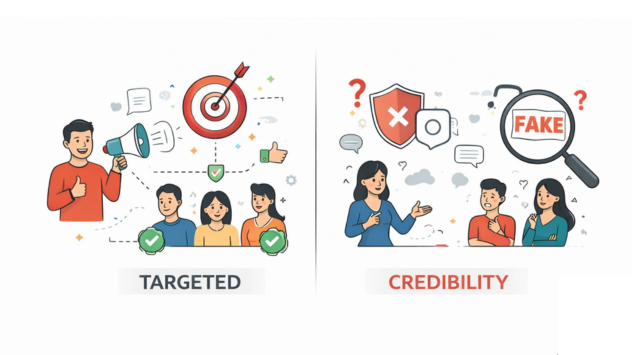
Advantage: How Targeted Communication Redefines Digital Marketing Impact
Targeted communication is a defining strength in digital marketing. Businesses can tailor messages based on search intent, demographics, and online behavior.
For sensitive areas such as nasha mukti programs or dementia care services, this precision ensures that information reaches people actively looking for support. Ethical targeting increases relevance while reducing wasted outreach.
Disadvantage: How Credibility Becomes the Hardest Currency
Despite precise targeting, trust remains a major challenge. With misinformation and aggressive promotions everywhere, audiences have become cautious.
For services related to dementia care, restaurants, or emotional support, credibility must be built through transparency, ethical messaging, and consistent value—not exaggerated claims.
4. Measurable Results vs. the Learning Curve
Advantage: How Measurable Results Bring Clarity to Decision-Making
Another major benefit of digital marketing is real-time measurability. Campaigns can be tracked, analyzed, and optimized continuously.
This data-driven approach helps businesses understand what resonates with audiences and what needs improvement, offering clarity that traditional marketing often lacks.
Disadvantage: How the Learning Curve Can Slow Growth
However, interpreting and acting on this data requires ongoing skill development. Tools, platforms, and best practices evolve rapidly.
Without dedicated time and expertise, businesses may struggle to keep up, making digital marketing a long-term commitment rather than a quick win.
5. Two-Way Engagement vs. Privacy Responsibilities
Advantage: How Two-Way Engagement Strengthens Trust
Digital marketing encourages interaction. Customers can engage through comments, messages, and feedback channels instantly.
This two-way communication builds trust, loyalty, and credibility—especially important for service-oriented industries where emotional connection matters.
Disadvantage: How Privacy Concerns Shape Digital Marketing Responsibility
At the same time, increased interaction relies heavily on user data. As people become more aware of how their information is collected and used, trust depends on responsible practices.
Businesses must prioritize ethical data handling and compliance to maintain credibility and customer confidence.
Conclusion
The advantages and disadvantages of digital marketing show that it is neither a flawless solution nor a risky gamble. It is a powerful tool when applied with clarity, responsibility, and adaptability.
For organizations across industries, success lies in understanding both the opportunities and the limitations. Businesses that balance reach with trust and data with empathy are better positioned for sustainable growth.
For more information, visit 361 Degrees Marketing.