
In today’s fast-paced online world, businesses can no longer rely on guesswork to grow their brand. A structured digital marketing process is what separates brands that struggle from those that scale consistently. Whether you’re a startup or an established business, understanding how to plan, execute, and optimize your efforts is essential.
The real challenge isn’t just doing digital marketing, it’s doing it right. From identifying your audience to scaling winning campaigns, every step plays a crucial role. In this article, we break down six actionable steps that will help you build a powerful and results-driven digital marketing process.
Why the Digital Marketing Process Matters More Than You Think
Many businesses jump straight into running ads or posting on social media without a clear plan. This leads to wasted budgets, inconsistent messaging, and poor results. A well-defined digital marketing process ensures that every effort is aligned with your business goals.
It helps you understand your audience better, create meaningful content, and choose the right channels. More importantly, it allows you to measure what’s working and what’s not. Without a process, marketing becomes chaotic. With it, your strategy becomes scalable, predictable, and effective.
Step 1 – Decode Your Audience Before They Ignore You in the Digital Marketing Process
The foundation of any successful digital marketing process is understanding your audience. If you don’t know who you’re targeting, your campaigns will never resonate.
Start by identifying your ideal customer profile. Look at demographics, interests, online behavior, and pain points. Go beyond basic data and understand what motivates them to take action.
Use tools like surveys, analytics, and customer feedback to gain insights. The better you know your audience, the easier it becomes to craft messages that connect. Remember, people don’t buy products; they buy solutions to their problems.
Step 2 – Build a Strategy That Doesn’t Waste Your Budget in the Digital Marketing Process
Once you understand your audience, the next step in the digital marketing process is creating a clear strategy. This includes defining your goals, selecting key performance indicators (KPIs), and planning your campaigns.
Your strategy should answer questions like:
- What are you trying to achieve?
- Which channels will you use?
- What is your budget allocation?
Avoid spreading your resources too thin. Focus on platforms where your audience is most active. A strong strategy ensures that every rupee you spend contributes to measurable results.
Step 3 – Create Content That Actually Converts in the Digital Marketing Process
Content is the backbone of any digital marketing process. But not all content delivers results. The key is to create content that is valuable, engaging, and action-driven.
Focus on solving your audience’s problems through blogs, videos, social media posts, and emails. Use storytelling to make your brand relatable and memorable.
Also, optimize your content for search engines by naturally incorporating your focus keyword into the digital marketing process. This improves visibility and drives organic traffic. Great content doesn’t just attract attention, it builds trust and drives conversions.
Step 4 – Choose Channels That Drive Real Results in the Digital Marketing Process
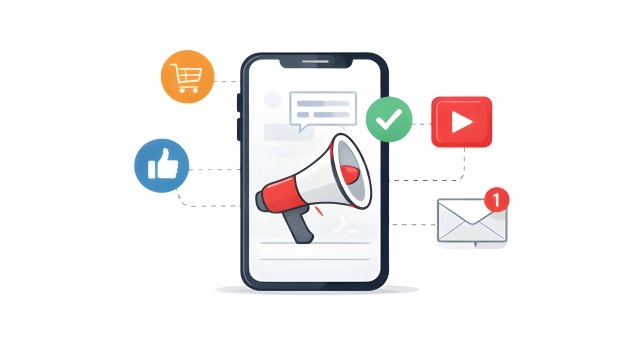
Not every platform is suitable for every business. A smart digital marketing process involves selecting the right channels based on your goals and audience behavior.
For example:
- Social media platforms are great for brand awareness
- Search engines drive intent-based traffic
- Email marketing helps in nurturing leads
Instead of trying to be everywhere, focus on channels that deliver the highest return on investment. This targeted approach ensures better performance and efficiency.
Step 5 – Track, Analyze, and Improve Ruthlessly in the Digital Marketing Process
One of the biggest advantages of the digital marketing process is measurability. Unlike traditional marketing, you can track almost everything, from clicks to conversions.
Use analytics tools to monitor your campaigns regularly. Identify what’s working and what’s not. Key metrics include:
- Website traffic
- Conversion rates
- Cost per acquisition
Don’t be afraid to make changes. Optimization is an ongoing process. The more you refine your campaigns, the better your results will be.
Step 6 – Scale What Works Without Burning Out in the Digital Marketing Process
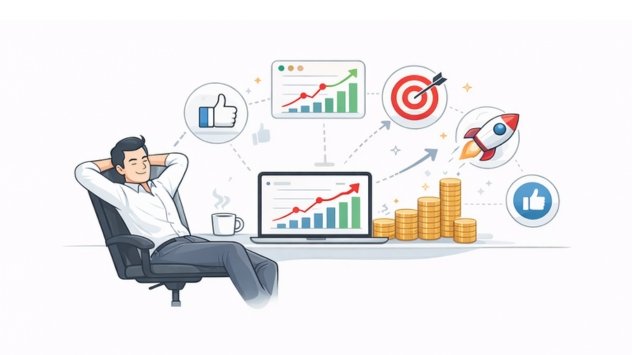
Once you find strategies that work, the next step in the digital marketing process is scaling them. This could mean increasing your ad budget, expanding to new audiences, or creating more content around successful topics.
However, scaling should be done carefully. Avoid sudden spikes in spending without proper testing. Gradual scaling ensures stability and long-term growth.
Automation tools can also help streamline your efforts, saving time and resources. The goal is to grow efficiently without compromising performance.
What Most Brands Get Wrong in the Digital Marketing Process (And How to Fix It)
Many brands fail because they skip essential steps in the digital marketing process. Some focus only on execution without strategy, while others ignore data and analytics.
Common mistakes include:
- Not defining clear goals
- Targeting the wrong audience
- Inconsistent branding
- Ignoring performance metrics
The solution is simple: follow a structured approach. Stay consistent, track your progress, and keep optimizing. Success in digital marketing doesn’t happen overnight; it’s built through continuous improvement.
Conclusion
A well-planned digital marketing process is the key to sustainable growth in today’s competitive landscape. By understanding your audience, building a solid strategy, creating impactful content, choosing the right channels, analyzing performance, and scaling effectively, you can achieve remarkable results.
The difference between average and exceptional marketing lies in execution, and execution depends on having a clear process. Start implementing these six actionable steps today to transform how your brand connects with its audience.
For more information, visit 361 Degrees Marketing.