In 2026, businesses are no longer competing only for attention; they are competing for relevance. Consumers scroll faster, expectations are higher, and traditional advertising alone is no longer enough to drive visibility or conversions. This is where meta ads have become one of the most powerful digital marketing tools for businesses across industries.
Whether you are a retail brand, a D2C business, a cloud kitchen, a salon chain, or a service provider, Meta’s advertising ecosystem offers brands the ability to reach the right audience at the right time with measurable outcomes.
But what exactly are meta ads in 2026, and why are businesses investing heavily in them? More importantly, which businesses truly benefit from Meta advertising, and how can they generate actual growth rather than vanity metrics?
What Are Meta Ads in 2026?
Meta ads refer to paid advertisements run across Meta’s ecosystem, including Facebook, Instagram, Messenger, and increasingly integrated WhatsApp business experiences. In 2026, Meta advertising has evolved beyond basic boosting or demographic targeting. It now functions as an AI-powered advertising ecosystem focused on automation, audience intelligence, predictive behavior, and conversion optimization.
Businesses use Meta ads to:
- Generate leads
- Drive website traffic
- Increase sales and conversions
- Build local and global brand awareness
- Retarget potential customers
- Promote products and services with measurable ROI
Unlike traditional advertising, Meta advertising allows businesses to target users based on interests, purchase behavior, demographics, geography, browsing habits, and engagement history.
For example, if a fashion brand wants to target women interested in ethnic wear who have recently engaged with luxury fashion content, Meta’s AI-based targeting can help deliver ads precisely to that audience.
In 2026, successful Meta campaigns are no longer just about “reaching people.” They are about reaching the right people with the right creative at the right moment.
Why Are Meta Ads Important for Businesses in 2026?
The biggest reason businesses rely on meta ads today is simple: visibility without strategy no longer works.
Organic reach across social media platforms has declined significantly. Even strong brands struggle to consistently appear in front of their audience without paid support. Meta ads solve this challenge by helping brands remain visible while also focusing on business objectives like leads, inquiries, purchases, appointments, and conversions.
Meta Ads Help Businesses Achieve Measurable Growth
Unlike traditional billboards or newspaper advertisements, Meta ads provide measurable performance indicators such as:
- Cost per lead
- Click-through rate (CTR)
- Conversion rate
- Audience engagement
- Return on ad spend (ROAS)
This makes Meta advertising especially useful for brands looking for accountable and performance-driven marketing.
Meta Ads Create Personalized Customer Journeys
Consumers rarely purchase instantly. In 2026, purchase journeys are longer and involve multiple touchpoints.
A customer may:
- Discover a brand through Instagram
- Visit the website
- Leave without purchasing
- See a retargeting advertisement later
- Finally convert
Meta ads allow businesses to nurture this entire journey through remarketing and behavioral targeting.
Which Businesses Need Meta Ads in 2026?
The truth is that not every business uses Meta ads in the same way. Different industries have different goals, audiences, and conversion journeys.
D2C Brands Need Meta Ads for Customer Acquisition
Direct-to-consumer (D2C) brands heavily rely on Meta ads because they sell directly to customers online.
For D2C brands, Meta advertising helps:
- Generate website traffic
- Drive product sales
- Retarget abandoned customers
- Increase repeat purchases
A strong example of this is the work done for NFC-enabled business solutions brand NFCfied.
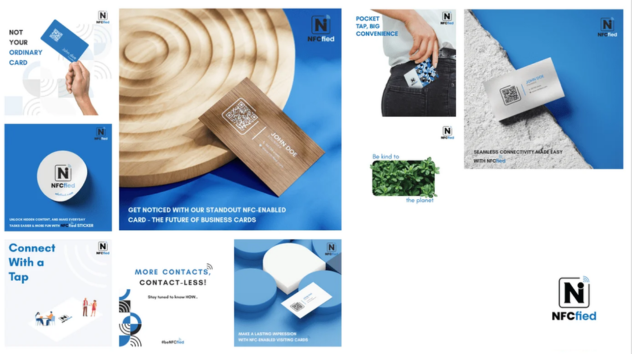
Through strategic Meta advertising, campaigns focused on awareness, audience targeting, and customer acquisition helped improve visibility while supporting product discovery among relevant users. For D2C businesses, Meta ads are often one of the most scalable growth channels.
Why B2B Businesses Need Meta Ads in 2026
Many businesses still assume meta ads only work for consumer-facing brands. In reality, B2B companies increasingly rely on Meta advertising for dealer expansion, distributor acquisition, lead generation, and industry visibility.
In 2026, B2B decision-makers will spend more time on digital platforms than ever before. Whether it is manufacturers, suppliers, industrial businesses, or enterprise service providers, Meta ads allow brands to target business owners, procurement teams, distributors, and regional partners through interest-based and behavioral targeting.
Unlike traditional B2B marketing methods that rely heavily on cold outreach or offline networking, Meta advertising helps businesses reach decision-makers at scale while maintaining cost efficiency.
Meta Ads Help B2B Companies Generate Qualified Leads
For B2B businesses, Meta campaigns can support:
- Dealer and distributor acquisition
- Qualified lead generation at lower costs
- Regional market expansion
- Brand awareness among business buyers
- Industry-specific targeting
A strong example comes from work executed for Shashwat Bio Polyplast LLP, a company operating in the sustainable manufacturing sector.

A campaign focused on “Calling Out! Dealers and Distributors” was strategically designed to attract business inquiries and expand dealer partnerships. With an ad spend of approximately ₹10,000, the campaign generated 350+ dealer and distributor inquiries/leads, demonstrating how well-planned Meta campaigns can drive measurable outcomes even in traditionally offline B2B industries.
This case highlights an important shift in 2026: meta ads are no longer limited to fashion, food, or beauty brands. When executed strategically, they can become a highly effective lead-generation engine for industrial, manufacturing, and B2B businesses as well.
How Meta Ads Help Retail Businesses Grow
Retail brands benefit significantly from meta ads, especially businesses that operate online, offline, or in hybrid formats.
For retail businesses, Meta campaigns can drive:
- Footfall
- Lead generation
- Product inquiries
- Seasonal promotions
- Brand visibility
A strong retail case comes from work done for Mokshaa, a premium fashion and lifestyle brand.

By using carefully targeted Meta advertising campaigns, audience segmentation, and conversion-focused creatives, substantial lead generation worth lakhs of rupees was achieved. This demonstrates how retail businesses can use Meta ads not just for awareness, but for real business outcomes.
In 2026, retail success depends heavily on personalized advertising, and Meta remains one of the strongest platforms to achieve that.
Why Cloud Kitchens Need Meta Ads in 2026
Cloud kitchens operate in one of the most competitive industries where visibility directly impacts orders.
Unlike traditional restaurants with physical walk-ins, cloud kitchens depend heavily on online discovery.
Meta Ad Help Cloud Kitchens Increase Conversions
Cloud kitchens can use Meta ads for:
- Hyperlocal targeting
- Food promotions
- Festive campaigns
- Repeat customer engagement
- Conversion-focused campaigns
For example, work done for Vanilla & Thyme, a bakery and cloud kitchen brand, involved using Meta Ad to generate both leads and conversions. Through location-based targeting and engaging creative strategies, Meta advertising helped strengthen visibility while encouraging customer action.
For food brands in 2026, showing up at the right moment, especially during cravings or occasions, can directly impact sales.
How Beauty and Wellness Brands Use Meta Ads
Beauty, wellness, and personal care businesses are among the strongest users of Meta Ad because visual platforms like Instagram naturally support their growth.
These businesses often use Meta campaigns for:
- Brand awareness
- Appointment bookings
- Location visibility
- International recognition
- Service promotions
An example is work executed for Kurves Brow Bar, where Meta advertising was used to strengthen both national and international awareness while improving visibility among relevant audiences.
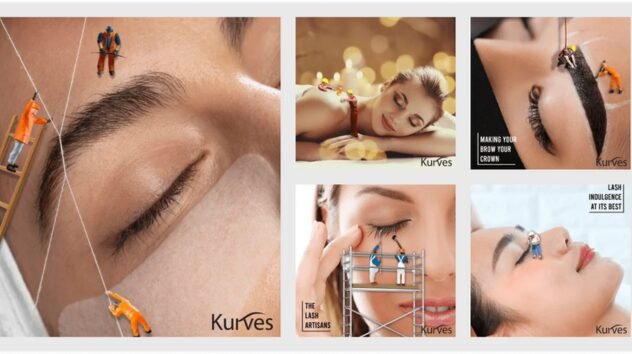
For businesses in beauty and wellness, trust and visibility are crucial. Meta platforms provide the ability to showcase transformations, customer experiences, and service quality visually.
What Makes Meta Ad Different in 2026?
Meta advertising in 2026 is significantly smarter than it was a few years ago.
Today’s campaigns use:
AI-Powered Audience Optimization
Meta’s machine learning capabilities analyze customer behavior to identify audiences more likely to convert.
Better Retargeting Systems
Businesses can reconnect with users who visited websites, interacted with content, or abandoned purchases.
Multi-Platform Advertising
Brands can simultaneously advertise across Facebook, Instagram, Messenger, and WhatsApp, creating a more connected user experience.
In simple terms, meta ad in 2026 are no longer optional for growth-focused brands; they are strategic business tools.
Why Strategic Execution Matters in Meta Ad
Running Meta ad is easy. Running profitable Meta ads is different.
Many businesses spend heavily on campaigns but struggle to see returns because strategy, targeting, creative quality, and campaign optimization are often overlooked.
Successful Meta advertising requires understanding audience psychology, industry behavior, creative testing, and performance analysis.
This is why businesses increasingly work with teams that understand multiple industries, from retail and D2C to cloud kitchens and wellness brands,s to create campaigns focused on actual growth rather than impressions alone.
As digital advertising continues to evolve, businesses that combine creativity with performance-driven strategy will remain ahead of the competition.
For more information, visit 361 Degrees Marketing.