For years, personalisation was the exclusive privilege of big brands with massive budgets, dedicated data teams, and enterprise software. In 2026, that’s no longer true, and it changes everything for small businesses.
Think about the last time you opened an email and immediately felt like it was written for you. Or visited a website, and the product it showed you first was exactly what you were looking for. That’s personalisation working. And until recently, it was something only the Amazons and Netflixes of the world could pull off.
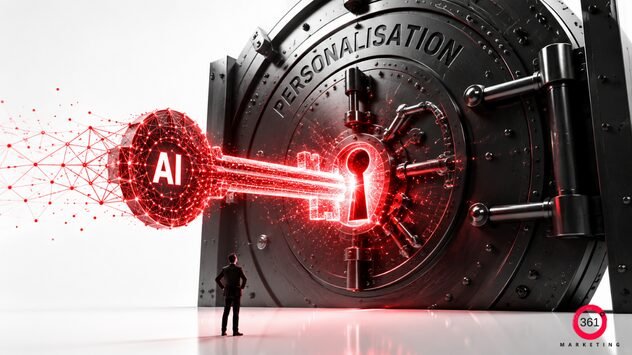
AI-powered personalisation has changed that completely. Today, a small skincare brand with a lean team can deliver the kind of tailored customer experience that used to require a data science department and a seven-figure tech stack. Here’s what that actually means, and how it works.
What Exactly Is AI-Powered Personalisation?
Definition
AI-powered personalisation uses artificial intelligence and machine learning to tailor customer experiences based on individual behaviours, preferences, interests, and interactions, delivering different content, offers, and recommendations to different people in real time.
Instead of sending the same newsletter to your entire list, or showing every website visitor the same homepage, AI helps you show each person something that actually matches where they are in their journey with your brand.
A customer who frequently browses your skincare range might see different homepage banners, email offers, product recommendations, and social ads than someone who just landed on your site for the first time. Not because someone manually set that up for every customer, but because the AI figured it out automatically, at scale.
Why Does Personalisation Matter So Much Right Now?
Here’s the uncomfortable truth: customers have been trained to expect relevance. Years of scrolling through algorithmically curated feeds, watching Netflix suggest exactly the right show, and receiving Amazon recommendations that are genuinely useful, all of that has reset consumer expectations permanently.
When a brand sends a generic “Hi there, check out our new collection!” to everyone on their list, it doesn’t just underperform. It actively signals that the brand doesn’t know or care who the customer is. And in a world where customers have unlimited options, that indifference has a cost.
The relevance gap is real: Small brands that fail to personalise increasingly risk appearing generic compared to competitors who do, not because they have worse products, but because the experience feels less considered. In a crowded market, relevance often matters more than budget.
What Changed? How Did AI Make This Accessible to Small Brands?
Not long ago, running personalised marketing required resources most small businesses simply didn’t have.
Before AI
Large datasets required
Dedicated marketing analysts
Complex manual segmentation
Expensive enterprise software
Weeks to set up campaigns
With AI-Powered Tools
Works with first-party data
Automated behaviour analysis
Dynamic audience segments
Affordable modern platforms
Campaigns live in hours
Modern AI-powered tools handle the heavy lifting automatically, analysing behaviour, predicting intent, generating personalised content, and optimising results, all without a team of analysts in the background. A small business with a modest email list and basic customer data can now do things that felt impossible just a few years ago.
How Can Small Brands Actually Put AI Personalisation to Work?
This is the part that matters most. Personalisation isn’t one thing; it shows up across every customer touchpoint. Here’s where small brands can start making a real difference.
Smarter Email Marketing
Instead of one newsletter for everyone, send different messages to different groups: new arrivals to frequent buyers, re-engagement offers to lapsed ones, seasonal picks based on browsing history.
Personalised Website Experiences
Dynamic homepages, personalised CTAs, and recommended products, visitors see content that matches their interests, not a static page that looks the same for everyone.
Product Recommendations
Suggestion engines aren’t only for Amazon anymore. Small e-commerce brands can recommend related products, complementary items, and personalised collections that actually increase order values.
Smarter Social Advertising
AI helps identify high-intent audiences, build lookalike segments, and test creative preferences, reducing wasted ad spend while improving performance.
AI-Powered Customer Support
Chatbots that answer questions, recommend products, and guide purchases 24/7, giving small teams enterprise-level responsiveness without a large support operation.
Predictive Personalisation
The next frontier is anticipating what customers need before they search for it, and proactively surfacing the right offer at the right moment.
What Are the Biggest Myths Holding Small Brands Back From Personalisation?
Honestly? Most small brands that aren’t personalising yet aren’t held back by capability; they’re held back by misconceptions. Let’s bust a few.
Myth 1
“We don’t have enough data to personalise.”
You probably have more than you think. Purchase history, website visits, email opens, and customer preferences are all first-party data, and that’s often enough to start building meaningful personalised experiences.
Myth 2
“AI personalisation is only for companies with big budgets.”
Modern AI tools have become dramatically more affordable. Platforms built specifically for small and mid-size businesses now offer powerful personalisation at a fraction of what enterprise software once cost.
Myth 3
“If we use AI, our brand will feel robotic and impersonal.”
AI handles the analysis and automation. Your brand voice, storytelling, creativity, and emotional intelligence are still entirely yours. The best personalisation makes interactions feel more human, not less.
What Are the Challenges Small Brands Should Watch Out For?
AI personalisation is genuinely powerful, but it’s not without pitfalls, and going in with your eyes open makes all the difference.
The “creepy” line is real. Customers appreciate relevance. They do not appreciate feeling surveilled. There’s a meaningful difference between “this brand understands what I like” and “this brand knows things about me that feel intrusive.” Good personalisation stays firmly on the right side of that line.
Beyond that, data privacy and consent are non-negotiable. Being transparent about how you collect and use customer data isn’t just a legal obligation; it’s a trust-building opportunity. Brands that handle data responsibly and communicate that clearly are the ones customers stick with.
And finally: authenticity matters more than automation. Consumers increasingly recognize generic, off-brand AI content when they see it. Small brands need to ensure that personalisation enhances their voice and values, not replaces them with something that could have come from anyone.
What Does a Small Brand Actually Gain From Getting This Right?
- Higher conversion rates
- Stronger customer loyalty
- Faster campaign execution
- Better marketing ROI
- Higher average order values
- Deeper brand relationships
But here’s the benefit that often gets overlooked: time. When AI handles the analysis, segmentation, and optimisation, small teams get back hours they can put into the things machines genuinely can’t do, building community, telling the brand story, creating product experiences that customers genuinely love.
“The brands that win won’t be using the most AI, they’ll be using AI to create more meaningful, human-centred experiences.”
So, Is AI-Powered Personalisation Worth It for Small Brands?
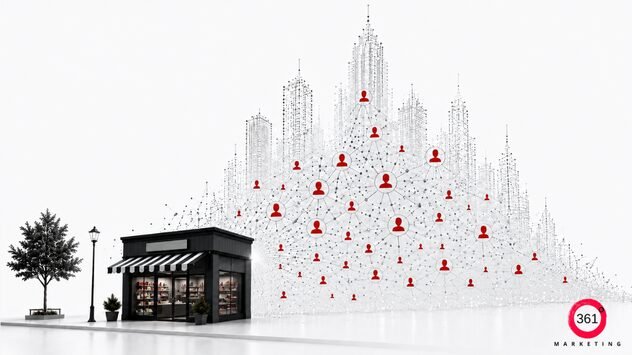
Absolutely, but the goal isn’t to out-automate your competitors. It’s to out-connect them. AI-powered personalisation gives small brands the tools to be genuinely relevant to every customer, at every stage, across every channel, without needing a team of fifty to pull it off.
The playing field has shifted. Size still matters, but relevance matters more. The brands that take time now to understand their customers, build smart personalisation into their marketing, and use AI as a force multiplier for their human creativity, those are the brands that will define their categories in the next few years.
You don’t need to be a big brand to feel big to your customers. You just need to make them feel known.
Ready to personalise smarter?
Your customers want to feel understood, not just targeted.
Building an AI-powered personalisation strategy that actually works takes the right tools, the right data approach, and a team that knows how to make technology feel human. If you’re ready to build marketing that connects, we’d love to show you how.
-
What is AI-powered personalisation in digital marketing?
AI-powered personalisation uses artificial intelligence to analyze customer behavior, preferences, and interactions to deliver tailored content, recommendations, emails, advertisements, and website experiences. It helps brands create more relevant customer journeys and improve engagement.
-
Can small businesses benefit from AI-powered personalisation?
Absolutely. Modern AI tools have made personalisation accessible and affordable for businesses of all sizes. Small brands can now use AI to improve customer experiences, increase conversions, and build stronger relationships without needing enterprise-level budgets or large marketing teams.
-
What are the biggest benefits of AI-powered personalisation?
The key benefits include higher conversion rates, improved customer retention, stronger brand loyalty, better marketing ROI, increased average order value, and more efficient campaign management. AI helps businesses deliver the right message to the right audience at the right time.
-
How can AI-powered personalisation improve marketing performance?
AI can automate audience segmentation, personalize website experiences, optimize email campaigns, improve ad targeting, and recommend relevant products. This enables businesses to create more effective marketing campaigns while reducing wasted effort and advertising spend.
-
How can 361 Degrees Marketing help businesses implement AI-powered personalisation?
At 361 Degrees Marketing, we help businesses develop AI-powered marketing strategies that combine personalization, automation, SEO, performance marketing, content strategy, and customer experience optimization. Our team works closely with brands to create meaningful, data-driven customer journeys that drive engagement, conversions, and long-term growth in an increasingly competitive digital landscape.