
A brand logo is often seen as just a visual element, but in reality, it’s one of the most powerful assets a brand owns. It shapes perception, builds trust, and, in many cases, becomes the face of an entire business.
But what happens when that logo goes wrong?
In today’s digital-first world, even the smallest design similarity can trigger huge online debates, legal challenges, and reputational damage within hours. From global giants like Godrej Industries Group and Cognizant to emerging brands trying to make their mark, companies are realizing that logo design is no longer just about creativity; it’s about strategy, research, and differentiation.
In this article, we’ll explore four real-world logo controversies to see what went wrong and, more importantly, what they teach us about building brand identities that truly stand out in a fast-moving and highly scrutinized market.
Case Study 1: Godrej Industries Group vs Guerrilla Agency
What Happened
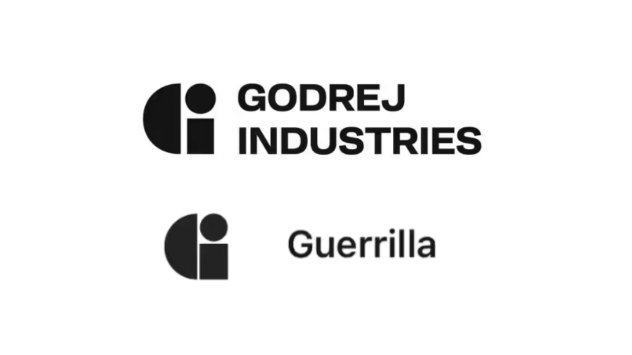
Godrej Industries Group launched a new “GI” logo as part of its rebranding. However, users quickly noticed that it looked strikingly similar to the logo of Guerrilla Agency. Even though no direct copying was proven, the similarity sparked online backlash and raised doubts about originality.
Key Mistakes
From a Digital Marketing Perspective
- No thorough pre-launch audit to check for existing similar logos
- Slow response to social media reactions
- Lost control of the public narrative within the first 24 hours
From a Logo Design Perspective
- Overuse of generic minimal design trends
- Lack of distinctive brand elements
- Weak connection to Godrej’s long-standing identity
Impact
- Negative online discussions
- Slightly weakened brand perception
- Rebranding message overshadowed by controversy
Core Lesson
Perception matters more than intention.
Even if you didn’t copy, if your logo looks similar, the damage is already done.
Case Study 2: Aston Martin vs Geely
What Happened
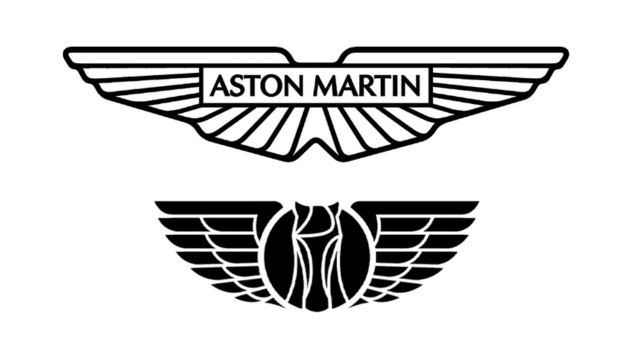
When Geely introduced a new wing-inspired logo, many pointed out that it looked remarkably like Aston Martin’s iconic winged emblem. This eventually led to a legal dispute, although the court initially ruled in Geely’s favor.
Key Mistakes
From a Digital Marketing Perspective
- Geely entered an already crowded visual space without clear differentiation.
- Aston Martin relied too heavily on legacy recognition
- Both failed to own the public story early on
From a Logo Design Perspective
- Repetition of overused wing symbolism
- Weak visual differentiation
- Conceptual similarity with minimal transformation
Impact
- Ongoing legal and reputational debates
- Geely is perceived as “inspired” rather than original
- Aston Martin is viewed as defensive
Core Lesson
Owning a concept is harder than owning a brand logo.
If your design idea isn’t unique, your 1logo won’t feel unique either.
Case Study 3: Cognizant vs Atyati Technologies
What Happened
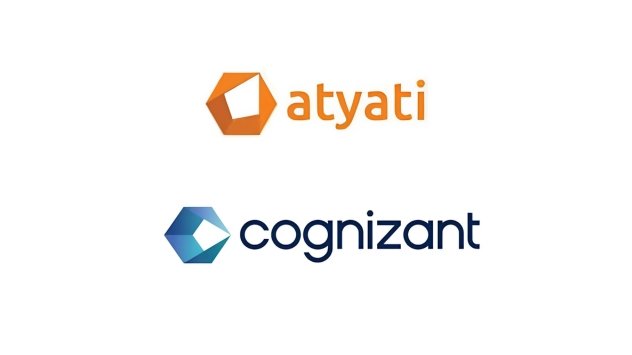
Cognizant unveiled a hexagon-based logo, which Atyati Technologies claimed was similar to its own. The dispute escalated legally, leading to a temporary restriction on Cognizant’s use of the logo in India.
Key Mistakes
From a Digital Marketing Perspective
- Insufficient local competitor research
- Lack of risk assessment before launch
- Poor management of the “big vs. small” public narrative
From a Logo Design Perspective
- Overuse of generic geometric forms
- Lack of awareness of industry design saturation
- Weak differentiation in a crowded tech space
Impact
- Legal complications and brand inconsistency
- Confusion across markets
- Negative public sentiment
Core Lesson
Being legally safe isn’t enough; you must be visually distinct.
In highly competitive spaces, only bold and original designs stand out.
Case Study 4: Under Armour vs Vice Lair
What Happened
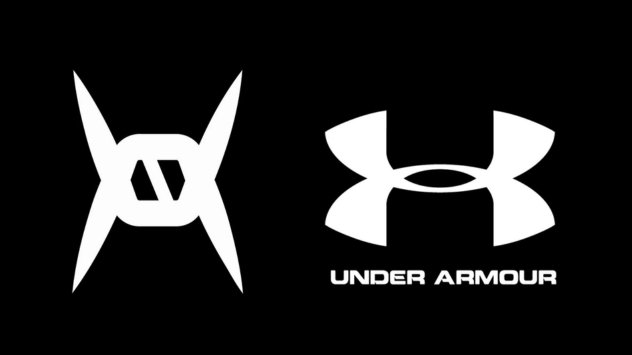
Under Armour accused Vice Lair of creating a logo that too closely resembled its iconic “UA” mark. The dispute sparked widespread debate within design and fashion circles.
Key Mistakes
From a Digital Marketing Perspective
- Vice Lair failed to check trademark risks
- Under Armour appeared overly aggressive in public statements
- Both brands lost early control of the online narrative
From a Logo Design Perspective
- Vice Lair leaned too heavily on an existing visual style
- Absence of distinct identity elements
- Minimalist design without enough creative originality
Impact
- Vice Lair faced brand credibility issues
- Under Armour experienced mixed public perception
- Community is divided between “protection” and “creativity.”
Core Lesson
If your brand logo instantly reminds people of another brand, it’s already a problem.
Key Takeaway
Across all four controversies, one truth stands out:
- Similarity spreads faster than explanation
- Audiences judge instantly
- Even small overlaps can cause huge reputational risks
A brand logo today is not just a design, but it’s a strategic asset that must be tested, protected, and differentiated in every market.
Conclusion
As these cases show, the problem isn’t just creativity; it’s strategy, research, and alignment across teams.
A powerful brand logo is more than visually appealing. It is:
- Thoroughly researched
- Legally and digitally validated
- Built to stand out instantly in a saturated space
That’s where a full-spectrum approach to branding and digital marketing becomes crucial, ensuring that your design isn’t just beautiful, but distinct, scalable, and future-proof.
At 361 Degrees Marketing, this is the foundation of every brand we build. From in-depth research and competitor analysis to strategic design and digital rollout, the focus is always on creating identities that don’t just exist but stand apart.
Because in today’s fast-moving digital world, your brand logo isn’t just a design, it’s your first impression, your recognition, and often, your biggest competitive advantage.
For more information, visit 361 Degrees Marketing.
References: